
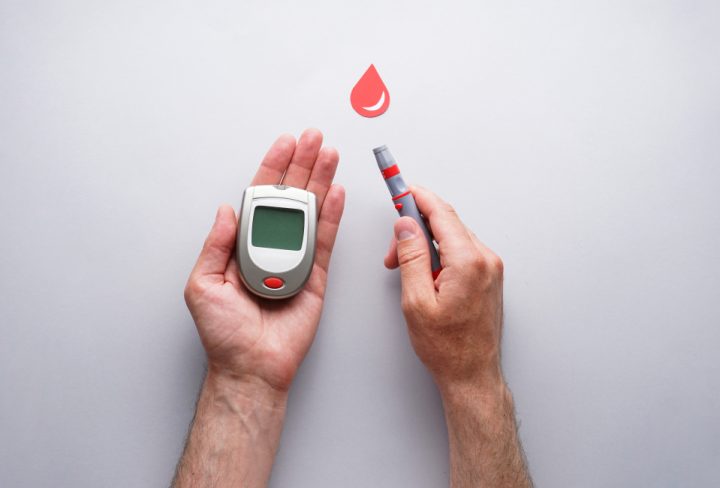
What is Hypoglycemia?
Hypoglycemia means your blood sugar level is lower than normal. Usually, blood sugar gives your body energy. When it drops too low, your body cannot work well. For many people, hypoglycemia happens when blood sugar falls below 70 mg/dL. This condition is common in people with diabetes, but it can affect others too. Early signs are important to notice, as untreated hypoglycemia can be serious. According to the CDC, knowing about hypoglycemia helps you stay safe and healthy.
Common Symptoms of Hypoglycemia
Recognizing low blood sugar symptoms early can help prevent problems. Symptoms can appear quickly. Sometimes, they are mild. Other times, they can be severe. For example, you may feel shaky or confused. Below are common signs to watch for:
However, not everyone has the same symptoms. If you notice any of these signs, act quickly to check your blood sugar.
Causes and Risk Factors
There are many reasons why hypoglycemia can happen. Most often, it is linked to diabetes treatment. However, other causes exist. Below are some common causes and risk factors:
People with diabetes are at higher risk. Still, anyone can get hypoglycemia under certain conditions. For example, children and older adults may be more sensitive to low blood sugar.
How Hypoglycemia is Diagnosed
Doctors use a few steps to diagnose hypoglycemia. First, they ask about your symptoms. Next, they may check your blood sugar level. Usually, a finger-prick test shows if your blood sugar is low. Sometimes, doctors order more tests to find the cause. For example, they may check your insulin levels or look for other health problems. According to the American Diabetes Association, keeping a record of your symptoms and blood sugar readings can help your doctor make a diagnosis.
Treatment Options for Hypoglycemia
Quick treatment is important for hypoglycemia. If you feel symptoms, check your blood sugar right away. If it is low, follow the “15-15 rule”:
After your blood sugar returns to normal, eat a small snack if your next meal is more than an hour away. In severe cases, someone may need to give you a glucagon injection. For ongoing problems, your doctor may adjust your medication or meal plan. Always follow your healthcare provider’s advice for the best results.
Lifestyle Tips and Prevention
Preventing hypoglycemia is possible with simple steps. Here are some tips to help you avoid low blood sugar:
Additionally, learning about your triggers can help you stay safe. For example, keep a diary of your symptoms and activities. This can help you and your doctor find patterns and prevent future episodes.
When to Seek Medical Help
Sometimes, hypoglycemia can be dangerous. Seek medical help right away if:
Even if you recover, let your doctor know about any severe episodes. Early treatment can prevent future problems. If you need hypoglycemia treatment in your area, contact your local healthcare provider or diabetes clinic.
In summary, understanding hypoglycemia helps you stay healthy and safe. If you have concerns or need advice, consult a healthcare professional for personalized guidance on managing hypoglycemia.