
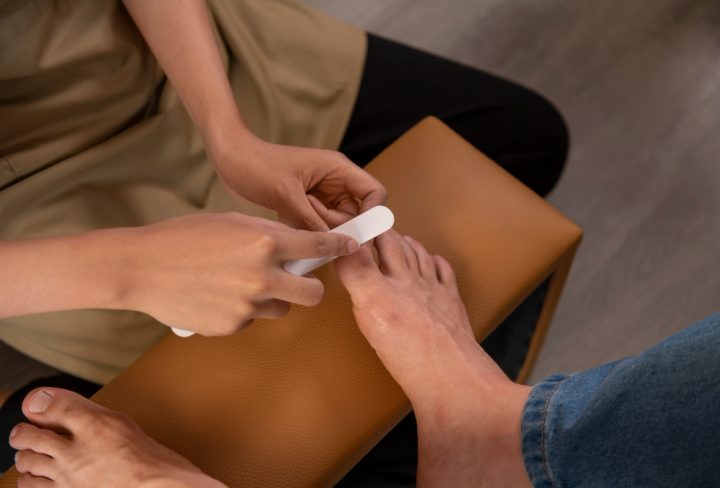
Diabetic foot care is a key part of staying healthy for people with diabetes. Because diabetes can affect blood flow and nerves in your feet, it is important to take special care. Early attention helps prevent serious problems. In this guide, you will learn about diabetic foot care, how to prevent diabetic foot problems, and the best foot care tips for diabetics. You will also find answers to common questions and advice on diabetic foot care at home.
What is Diabetic Foot Care?
Diabetic foot care means looking after your feet every day if you have diabetes. Since high blood sugar can damage nerves and blood vessels, your feet may not feel pain or heal well. Therefore, regular care helps catch problems early. Good foot care lowers the risk of cuts, sores, and infections. According to the CDC, proper foot care can prevent many diabetes-related foot issues.
Common Symptoms and Warning Signs
It is important to watch for early signs of diabetic foot problems. If you notice any of these symptoms, act quickly:
For example, if you see any of these signs, contact your doctor right away. Early treatment can stop problems from getting worse.
Causes and Risk Factors
Many factors can increase your risk of foot problems if you have diabetes. Some common causes and risk factors include:
Because these risks add up, it is important to manage your diabetes well and check your feet daily.
Diagnosis and When to Seek Help
Doctors use several ways to check for diabetic foot problems. They may look at your feet, test your feeling with a small tool, or check blood flow. If you notice any signs of diabetic foot infection, such as redness, swelling, or pus, seek help right away. In addition, if you have a sore that does not heal in a few days, call your healthcare provider. Early diagnosis can prevent serious complications, including amputation.
Effective Prevention Strategies
Preventing diabetic foot problems is possible with the right steps. Here are some proven strategies:
By following these steps, you can lower your risk of foot problems. The World Health Organization also recommends regular foot checks for people with diabetes.
Daily Foot Care Tips for People with Diabetes
Daily care is the best way to protect your feet. Try these simple tips for diabetic foot care at home:
With these best foot care tips for diabetics, you can keep your feet healthy and strong.
Treatment Options and Medical Interventions
If you develop a foot problem, your doctor may suggest several treatments. These can include:
Because early treatment works best, do not wait if you notice a problem. The CDC notes that quick care can prevent more serious issues.
Lifestyle and Home Care Guidance
Healthy habits support good foot care. In addition, these lifestyle tips can help:
By making these changes, you can protect your feet and your overall health.
Frequently Asked Questions (FAQs)
In summary, diabetic foot care is vital for people with diabetes. With daily attention and the right steps, you can prevent many problems. However, if you notice any changes, consult your doctor for personalized advice. Your feet will thank you for it!